

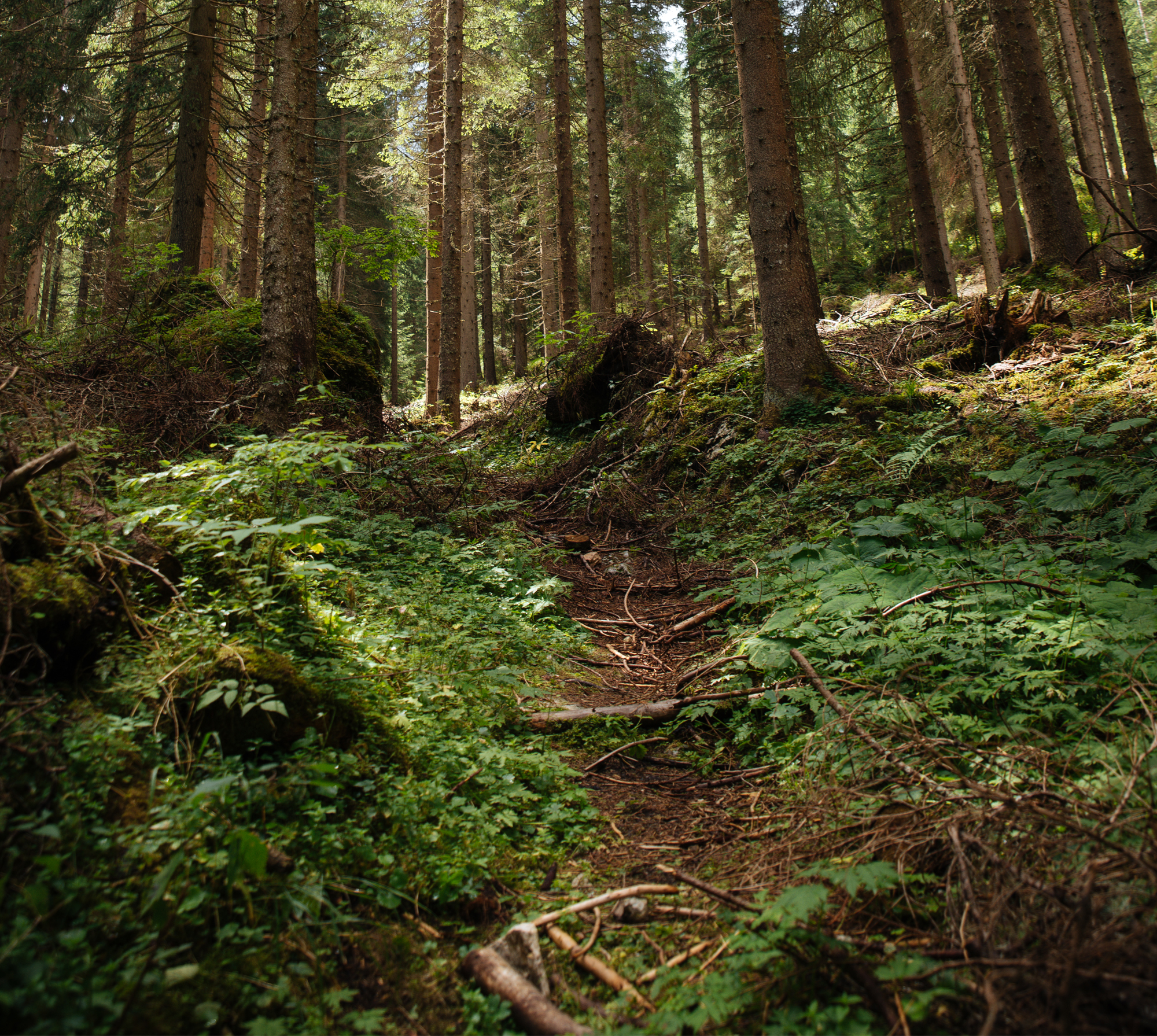
Coleopterous predators in the zones of Gomilshanski lisy National Nature Park with different management regimes
Autorzy
-
Valentyna Meshkova
1 Ukrainian Research Institute of Forestry and Forest Melioration named after G.M. Vysotsky
Kharkiv, Ukraine
2 State Biotechnological University
Kharkiv, Ukraine
e-mail: Valentynameshkova@gmail.com -
Yuriy Skrylnyk
Ukrainian Research Institute of Forestry and Forest Melioration named after G.M. Vysotsky
Kharkiv, Ukraine -
Yana Koshelyaeva
State Biotechnological University
Kharkiv, Ukraine - Maxim Bieliavtsev Gomilshanski lisy National Nature Park, Kharkiv region, Ukraine
-
Tetiana Markina
H.S. Skovoroda Kharkiv National Pedagogical University
Kharkiv, Ukraine
Abstract
The purpose of this research was to assess the species composition and biodiversity of predatory beetles collected in Gomilshanski lisy National Nature Park, depending on management regimes and anthropogenic loading. Four window traps were placed in each of the five groups of sample plots: clear felling, selective sanitary felling, statio-nary recreation, regulated recreation, and protected zone. The dominance of each predator species (relative D), frequency of occurrence (F), the Synthetic index (Q), the Shannon Diversity Index (H), and the Sörensen-Czekanowski index (Csc) were evaluated. A total of 36 species of predatory beetles from 24 genera and 10 fami-lies were caught. Predatory species richness was the highest in the protected zone and the lowest in the clear fel-ling plot. In the pooled sample of predatory beetles, two species (Cl. mutillarius and P. flavicornis) are dominant (5.6%), eight species (22.2%) are subdominant, nine species (25%) are recedents, and 17 species (47.2%) are su-brecedents. The greatest dissimilarity by frequency of predatory beetle occurrence (F) was found between the sam-ple plot of clear felling and the rest of the sample plots and zones, while the synthetic index (Q) confirmed the gre-atest dissimilarity between the protected zone and the rest of the sample plots and zones. The data obtained will help predict possible negative consequences for biodiversity and forest health and take preventive measures.
| DOI | 10.2478/ffp-2026-0007 |
|---|---|
| Source | Folia Forestalia Polonica, Series A – Forestry, 2026, Vol. 68 (2), 76–88 |
| Print ISSN | |
| Online ISSN | 2199-5907 |
| Type of article | Original article |
| Original title | Coleopterous predators in the zones of Gomilshanski lisy National Nature Park with different management regimes |
| Publisher | © 2026 Author(s). This is an open access article licensed under the Creative Commons Attribution-NonCommercial-NoDerivs License (http://creativecommons.org/licenses/by-nc-nd/4.0 |
| Date | 15/06/2026 |
- Pawłowicz T., Oszako T., Furmanek Ł., Bachura E., Frąckiewicz Z., Kuryło A., Kurdzieko W. Lichen thalli as substrates and microhabitats for slime moulds (Myxomycetes)
- Meshkova V., Skrylnyk Y., Koshelyaeva Y., Bieliavtsev M., Markina T. Coleopterous predators in the zones of Gomilshanski lisy National Nature Park with different management regimes
- Khryk V., Kimeichuk I., Chuba V., Vashchuk Y., Lewandowska S., Sytnyk O., Hrynyk O., Hrynyk H. Producing high-quality container-grown Scots pine seedlings: the role of substrate composition and plant growth regulators
- Bilous A., Feshchenko R., Kovbasa Y., Bilous S., Makarevych A., Naumovska O., Matiashuk R. Validation of a biomass based model for assessing forest ecosystem services: a case study of Feofania Park
- Ciesielski M., Tkaczyk M., Teleszko L., Stefan F., Taczanowska K. Participatory mapping of cultural ecosystem services in the Warsaw metropolitan area